


Energy transitions don't happen in spreadsheets or conference panels. They happen at crisis chokepoints.
Twenty percent of global oil supply and twenty percent of global LNG trade pass through a strait twenty miles wide. Since 28 February, that strait has been operating on Iran's terms: selective, fee-based, and geopolitically filtered.
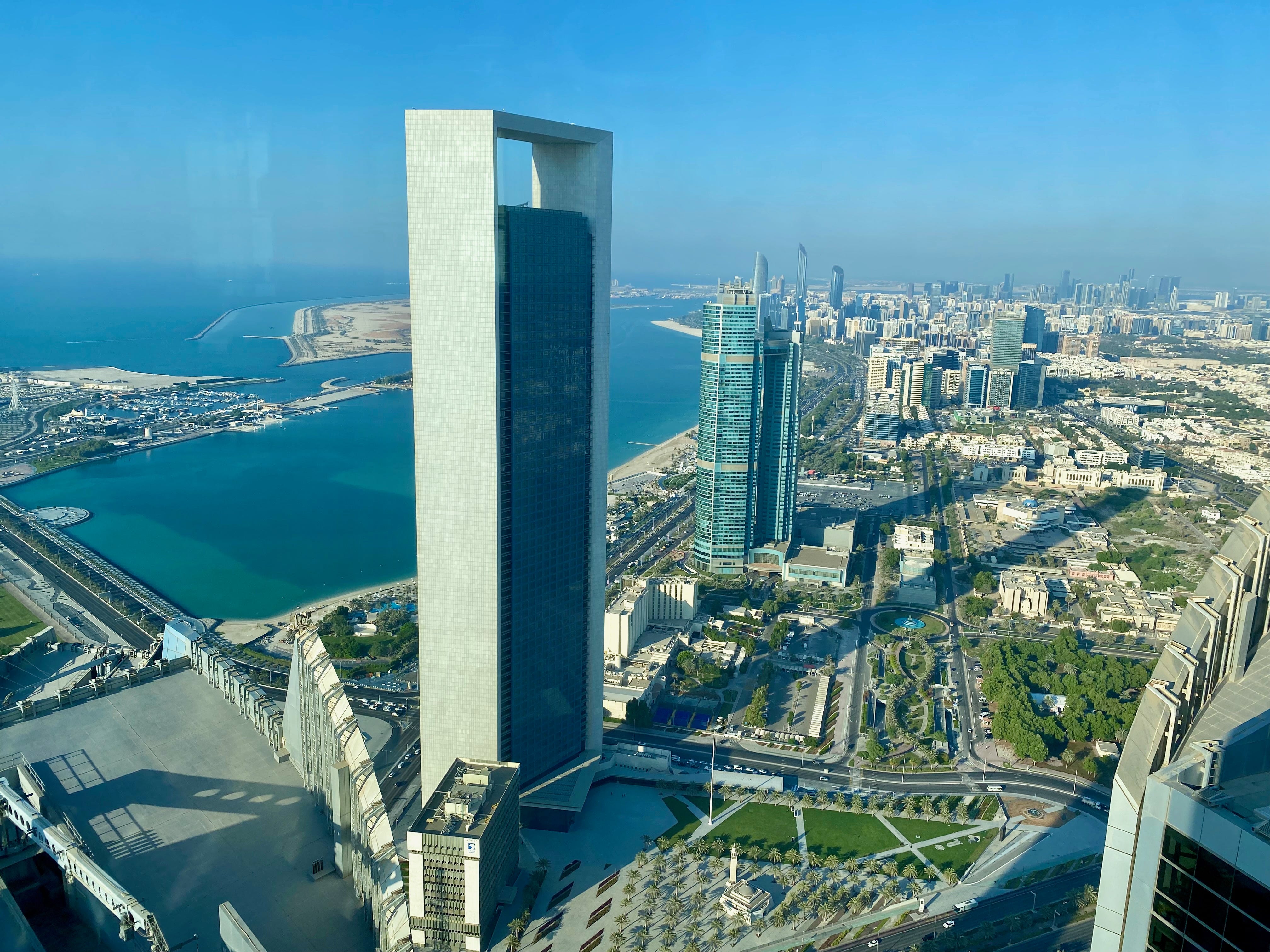
I know this geography intimately. As Shell's strategy manager in Dubai and later shaping energy transition at ADNOC in Abu Dhabi, security of supply was paramount but a Hormuz disruption at this scale felt like the scenario we planned for and quietly hoped we'd never see. The answer has arrived and it covers both oil and gas.
Oil: Iranian drones struck Ras Tanura. Aramco rerouted crude 1,200 kilometres west to Yanbu. Fujairah, the UAE's bypass terminal for approximately one million barrels a day of Murban crude, was struck and has since restarted. ADNOC has shifted to a wartime export posture centred on the Habshan–Fujairah corridor. The bypass infrastructure built in Abu Dhabi to answer the Hormuz question is now essential, not contingency.
Gas: Ras Laffan, which produces around twenty percent of global LNG supply, was struck on 2 March and again on 18 March. QatarEnergy has declared force majeure. The CEO says repairs will take three to five years. There is no pipeline bypass for LNG. Europe gets twelve to fourteen percent of its supply from Qatar. Asia depends on it across China, India, Japan and South Korea.
Three things that shouldn't be ignored:
1. Oil and gas are simultaneously at risk. This at the same chokepoint, at the same time. And it is not just crude and gas. Jet fuel, fertiliser, petrochemical feedstocks, helium for MRI scanners. The downstream dependencies of a modern economy pass through the same twenty miles.
2. Energy security and the energy transition are the same brief. Every investment in renewables, storage and electrification reduces exposure to chokepoints like Hormuz. The Gulf states understand this. UAE's Masdar and the wider pattern of Gulf sovereign reinvestment in clean energy reflect leaders who know transition is strategic, not optional. Decarbonisation is not a cost. It is a hedge.
3. Diversification beats redundancy. The Hormuz shock is accelerating a long-overdue reckoning with LNG source diversification. East African projects, such as those in Mozambique and Tanzania, and expanding capacity in the US, Canada, Trinidad and Argentina matter not just commercially but strategically. A world less dependent on any single chokepoint starts with investment decisions being made today.
Boards should treat security-linked decarbonisation as non-discretionary. Not only because of climate targets. Because of what happens when a strait twenty miles wide closes. You can't model your way out of geopolitical reality.
INSIGHTS
The infrastructure concentration genie is out of the bottle. Force majeure at Ras Laffan means three to five years of structural disruption. This not just a temporary shock to manage through spot markets. Oil bypass routes exist but are constrained: Kirkuk-Ceyhan by Turkish politics, Petroline's Yanbu terminal by export infrastructure. Fatih Birol, the IEA's executive director, described the crisis as "two oil crises and one gas crisis put together". He added that eleven million barrels of oil a day and 140 billion cubic metres of gas are disrupted across nine countries. Any snap-back assumption is difficult to predict in your risk model.
Iran is no longer running a chokepoint. It is running a toll gate with a geopolitical filter. Chinese vessels are transiting Hormuz after paying fees of up to $2 million; Japan has been granted access; countries the regime defines as "at war" cannot pass regardless of price. A market-based chokepoint resolves through price signals and rerouting. A permission-based strait does not. This week Iran confirmed it is the latter. Tehran's military spokesperson stated that "the authority to issue passage permits is ours". Iran's formal ceasefire conditions include recognised sovereignty over the strait. Every energy security framework built on the assumption that commercial logic eventually prevails needs rebuilding.
The Asian exposure is visible in commodity markets right now, not just in forecasts. Japan's trade minister confirmed at CERAWeek that eighty percent of Hormuz LNG flows to Asia. European contracts have held more stable because they draw on US FOB cargoes — FOB (free on board) meaning buyers can redirect flexible US LNG to wherever the market is tightest, a tool most Asian buyers don't have. Asian oil-linked contracts face a further cost wave on a three-month lag. The fertilizer cascade is already real: one-third of global seaborne fertilizer trade moves through Hormuz, urea prices have jumped forty percent since the closure, and China has restricted fertilizer exports to protect its own market. The Philippines declared a national energy emergency on 25 March with forty-five days of fuel reserves remaining; South Korea, which routes seventy percent of its crude through Hormuz, launched an emergency economic task force and suffered its largest-ever single-day stock market decline. This is not a future risk. It is a present emergency.
Responsible Energy Briefing: When molecules can't move — examines the physical infrastructure chokepoints that make the Hormuz situation consequential beyond the immediate crisis. Free to read.