


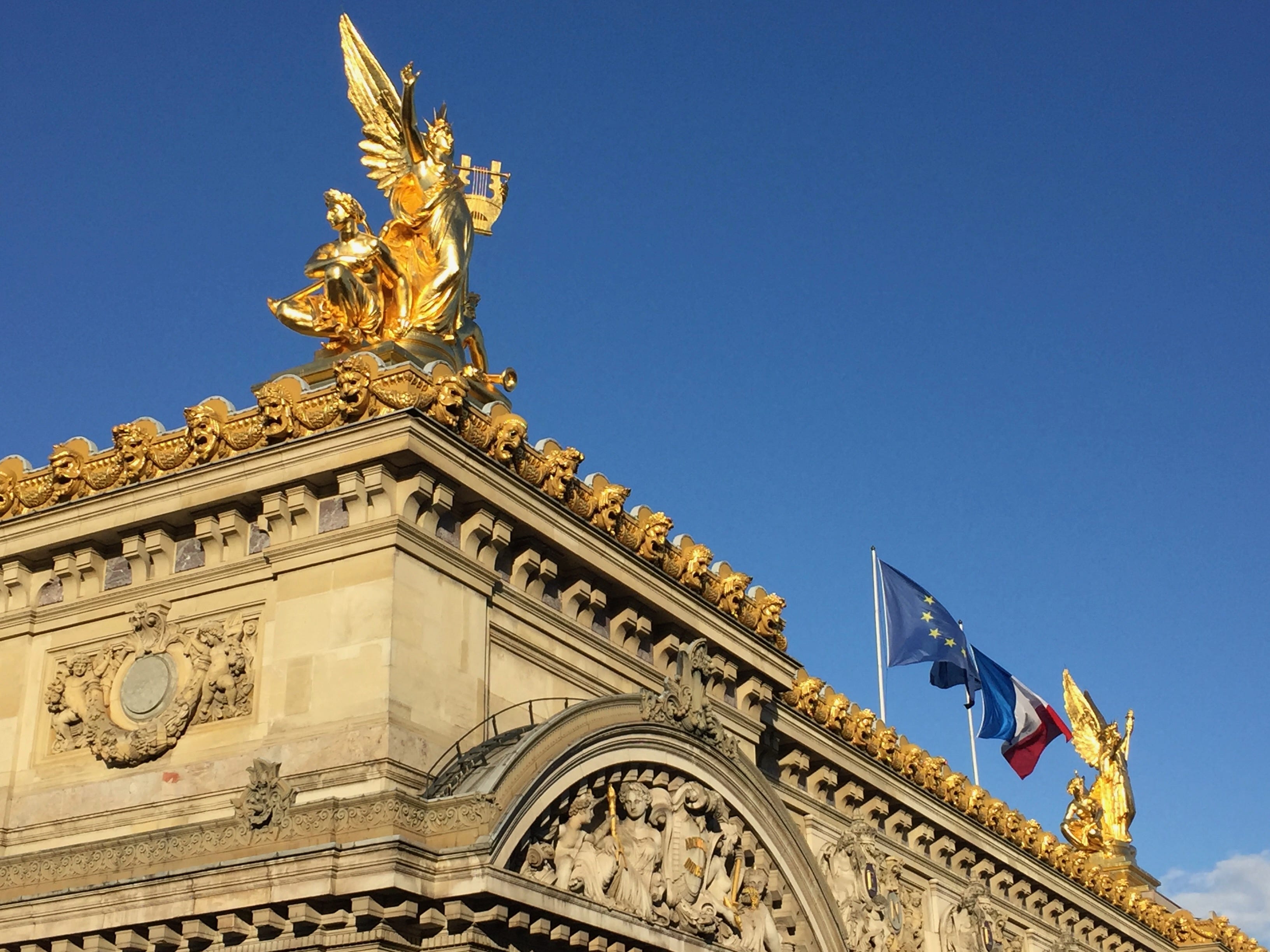
My hotel sat next door to the Palais Garnier, Paris's grand opera house. It is a few metro stops from where energy ministers gathered for the IEA ministerial in Paris last month. In opera, each performance follows the libretto. In energy policy, the libretto keeps getting rewritten mid-performance.
The energy transition just got harder. It is no longer enough to assume it simply carries on as planned. It will continue, but with energy security and resilience moving up the agenda, what gets funded first is starting to change.
The question for investors is no longer whether the transition is happening. It is which parts of the transition continue to attract capital when resilience, affordability and security start to matter more than abstract energy transition assumptions.
When governments or companies feel insecure, they rarely abandon the overall direction. But they do reprioritise within that direction. Projects that reduce exposure, build resilience and increase optionality move up the list. Others wait.
Three tests matter more than ever for any energy-exposed portfolio:
1. Concentration risk: not just in energy supply, but in the transport, processing and industrial supply chains that depend on the same routes, inputs and infrastructure, including feedstocks and products that do not diversify as easily as power.
2. Resilience premium: assets with optionality across multiple policy and geopolitical scenarios are becoming more valuable than assets optimised for a single pathway.
3. Policy sequencing: in a security-first moment, energy transition commitments are usually reordered rather than abandoned. Understanding that sequence is now part of the investment case, not an afterthought.
This reprioritisation was already visible at the IEA ministerial in Paris last month; even before the Strait of Hormuz crisis reinforced it.
The transition is still moving forward. But in a less stable world, the winners may be the investments that remain valuable across more than one future.
INSIGHTS
The investment case for the energy transition was double-subsidised. Both subsidies are now gone simultaneously. A decade of quantitative easing and near-zero interest rates made capital-intensive, long-duration transition assets look compelling on a 3% cost of capital. Low geopolitical risk provided the second subsidy: portfolio construction assumed stable supply chains, open trade routes and predictable policy sequencing. Neither assumption survives contact with 2024–26. Boards that priced their energy transition positions in the era of cheap money need to reprice them for the world that has actually arrived.
The direction of capital hasn’t reversed but the motivation has fundamentally shifted. CERAWeek confirmed that global clean energy investment surpassed $2.2 trillion in 2025 — two-thirds of all energy spending that year. It is now driven by energy security, economic competition and industrial policy, not climate pledges alone. The concentration risk is moving with it: China controls roughly 70% of refining capacity for the minerals the energy transition requires. Replacing a chokepoint controlled by Iran, a regional power, with one controlled by China, a nuclear-armed superpower with global economic reach, is not a transition strategy. It is an escalation of the same problem.
The signal to watch is policy sequencing and whether emergency energy security spending begins to crowd out energy transition capital. The evidence is already visible: investors withdrew nearly $20 billion from US ESG funds in 2024, the ninth consecutive quarter of outflows. The clearest historical illustration of sequencing risk remains the White House solar panels: Jimmy Carter installed them in 1979 as a symbol of American energy independence; Ronald Reagan had them removed in 1986; Barack Obama reinstalled them in 2010; Donald Trump kept them but dismantled the policy framework that would have scaled what was on the roof. The symbol persisted. The substance didn’t. The risk for energy transition capital is not that governments abandon the direction. It is that they reprioritise within it in ways that strand investments optimised for the previous sequencing.
Responsible Energy Briefing: When molecules can't move — goes deeper on the physical infrastructure chokepoints that sit beneath these investment risks. Free to read.